


SUGAR DRIES ON PAPER PLATES
Opening: 08/10/2026 Duration: 08/10-28/11/2026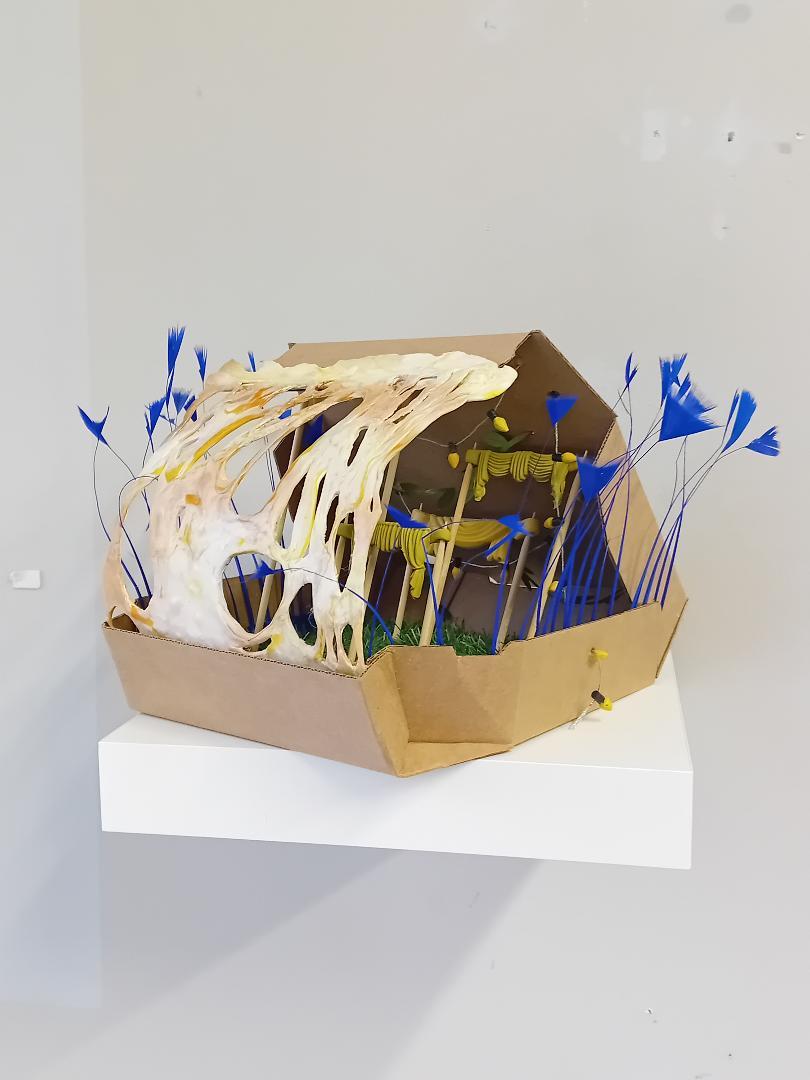
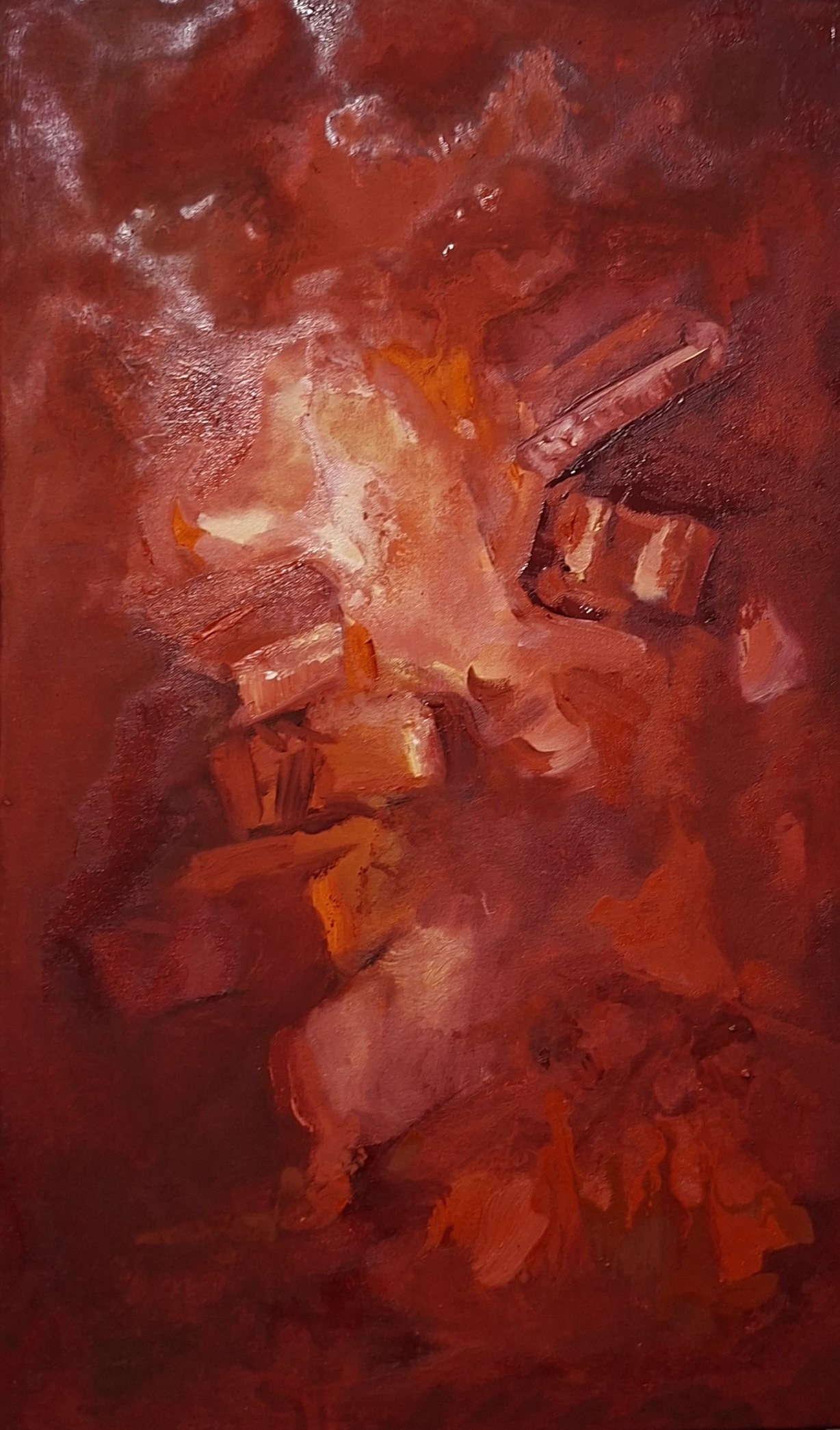
SUGAR DRIES ON PAPER PLATES
On Tuesday October 8th 2026, from 19:00 until 22:00, Ileana Tounta Contemporary Art Center hosts the group show Sugar Dries on Paper Plates. Participating artists:Calliopi Bekou, Dafni Fikiori, Voula Koukkou, Zoe Sklepa, Archontoula Tsatsoulaki Curated by Galini Lazani
The exhibition will be on view until 28.11.2026
The party has just ended. The glasses remain half-full, the sugar has dried on the plates, someone lost an earring under the table, and the music still echoes in our ears. Now comes that strange, bittersweet moment, when all the fun has faded into memory and that memory takes on a life of its own.
Did I arrive at this party too late? Or, on the contrary, just on time? I was certainly invited to relive its memories. And possibly that is enough. Perhaps moments do not need to last forever to be meaningful, as long as they leave something behind.
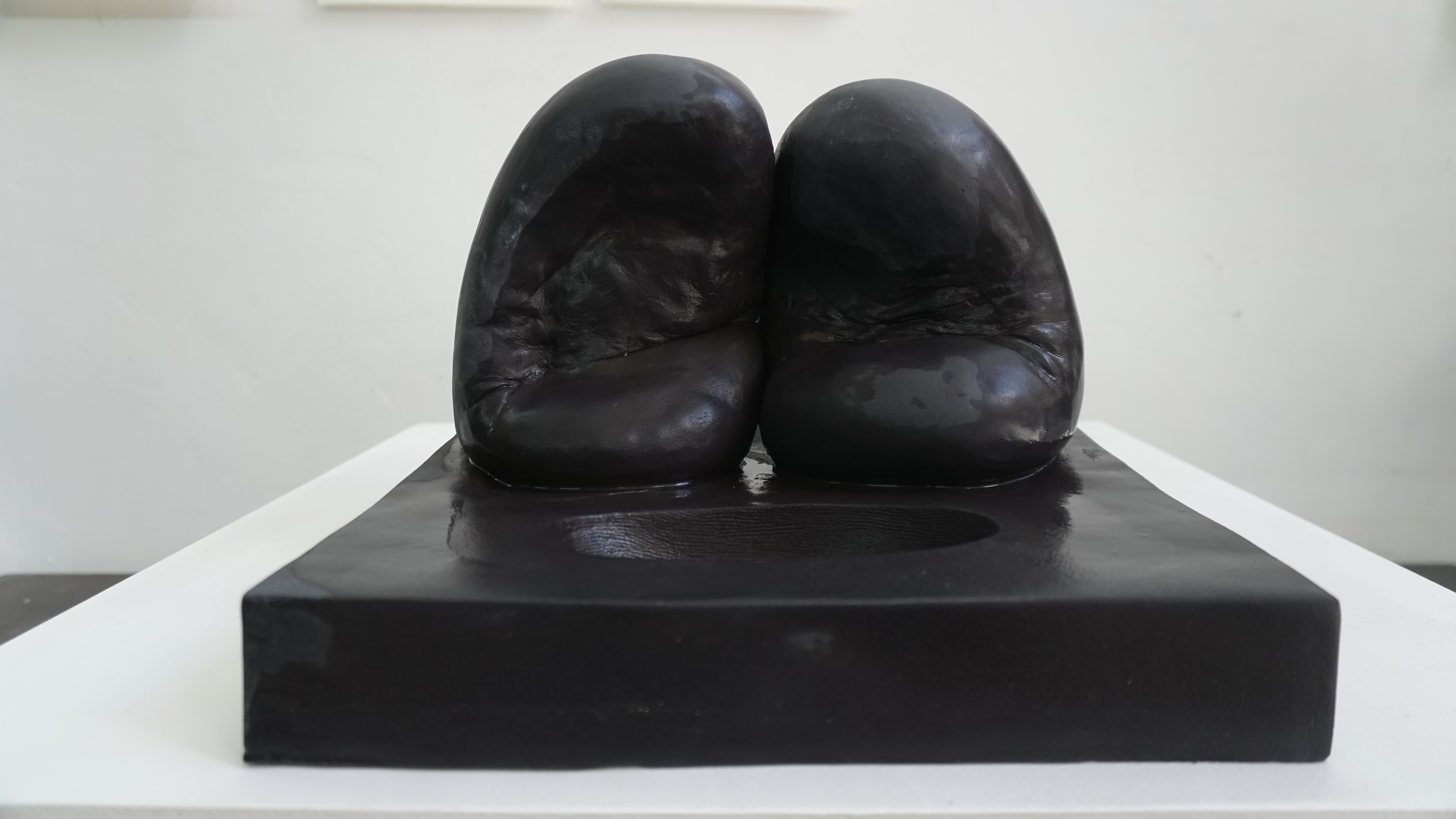
The five artists who invited me to stand alongside them in this exhibition do not all speak in the same way, but they all speak of the same thing: what comes after every experience, the duality of every aspect of human life; the tranquillity after the frenzy, the sadness after the joy, the traces of relationships that come to an end, the reminiscence of experiences.
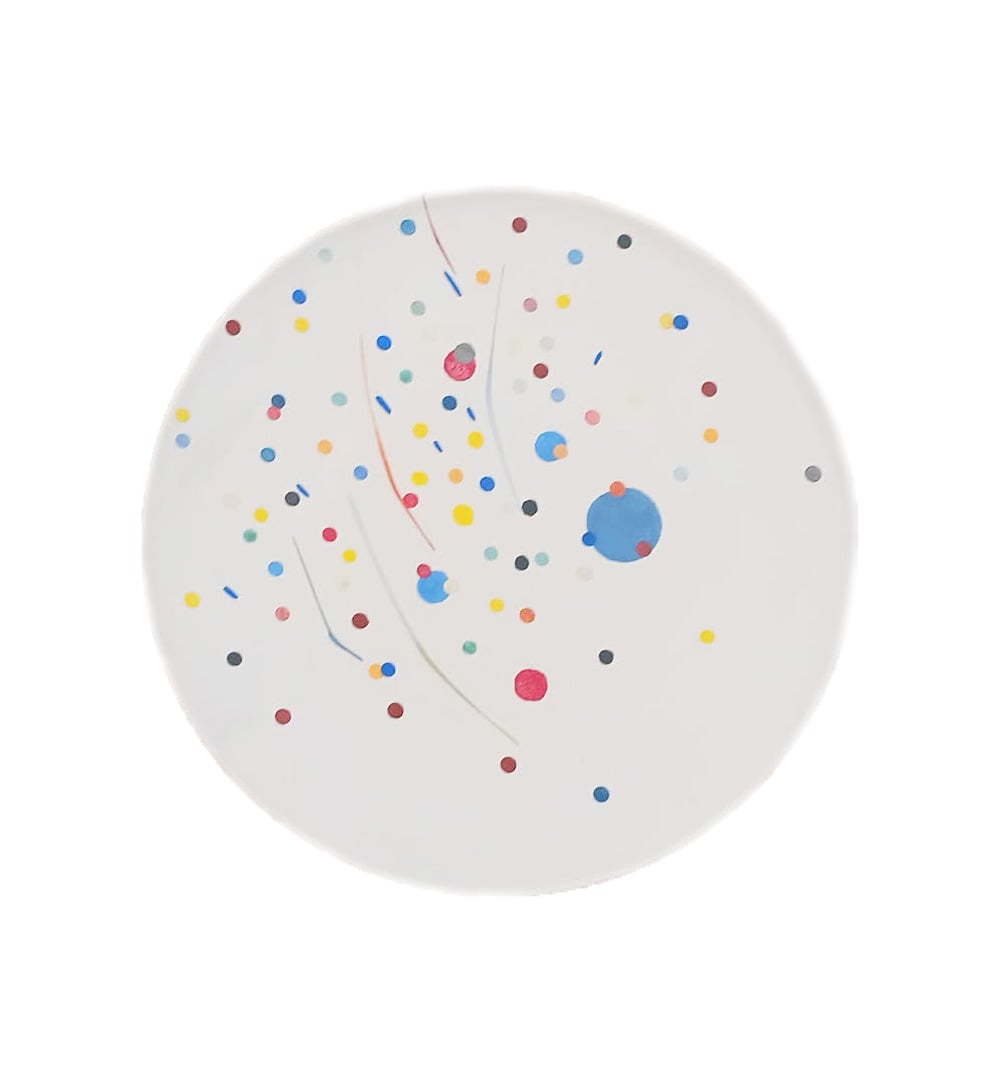
Voula Koukou stands precisely at the threshold of the moment when joy and sorrow are no longer so easily distinguished. The over-magnified grains of sugar that she paints, now form shapes reminiscent of ambiguous organisms and explosive landscapes. Pleasure is magnified until it begins to feel unsettling. The pink and red hues of her paintings sometimes seem to speak of happiness, tension and playfulness, whilst at other times something dark emerges from the deep, blood-red colour.
And somewhere at this point, the celebration is over. All that remains are fragments and associations.Zoe Sklepa’s works are the essence of an experience, the emotions that follow a moment of intensity and the moment of reflection. Her assemblages are the ideal medium for expressing all these. Objects that epitomise the very essence of a party, take on new, hybrid forms. After all, this is much how memories work too. We rarely remember things exactly as they happened, but instead we gather fragments and piece the events back together.
In these events, Archontoula Tsatsoulaki acts as the hostess; the materials that compose her works evoke those of the home and the human presence that hosted this celebration, where people connected with one another. Her works speak of our need for life, tenderness and connection, but also of the decay and absence that are ever-present. What remains of a connection once the encounter has ended? And can we truly be together without bridging the distance between us?
Daphne Fikiori’s sculptural figures speak of such a transcendent, almost erotic, moment of union between people. Sometimes alone and sometimes in pairs – in an attempt to communicate – they create a paradoxical sense of melancholy and alienation. They appear as fragments of a human being that may once have been alive, but now seem to have been left without a presence. The void here is not merely what is missing; it is something tangible.
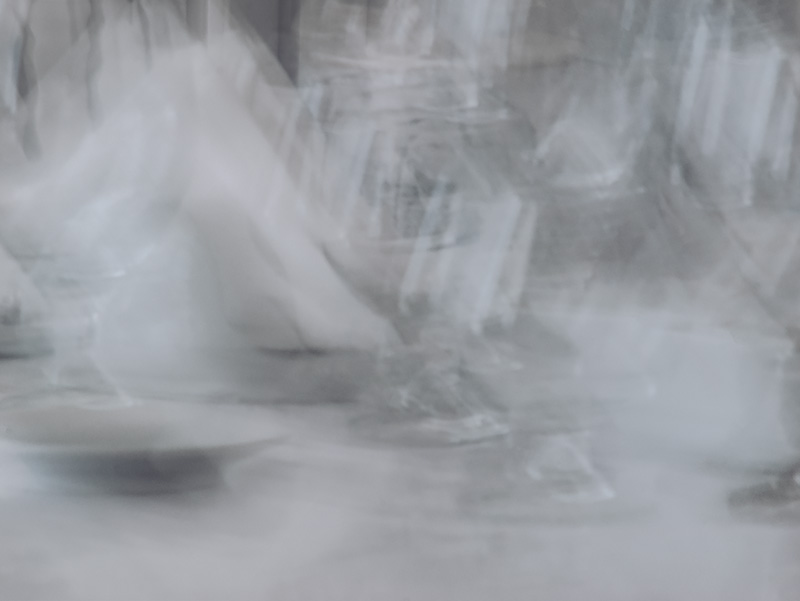
And it is with this sense of emptiness that we arrive at the work of Calliopi Bekou. Her photographs capture the remnants of an odd gathering, one that celebrates a life that has come to an end. The objects in the space are detached from their everyday function, lose the clarity of the photographic image and are on the verge of becoming painting. It is difficult to make out the glasses, plates or chairs. The image seems to have retained more of the sense of the gathering than the gathering itself. It is as though a trace of human presence has lingered in the space, whilst the people have already left.
Ultimately, this appears to be the common thread running through the works of this exhibition: not the celebration itself, but the moment when the celebration becomes a memory. Joy and sorrow are not presented as opposites. They coexist, intertwine and swap places. Contact encompasses distance, presence encompasses absence, enjoyment encompasses loss. And amidst all this stands the human being — who meets, touches, laughs, dances, departs, remembers. And precisely because we remember, we are always ready for the next party.
Galini Lazani
September 2026
*The exhibition takes its title from Alison Stine’s poem “After the Party” (2011).
Date
October 08, 2026